
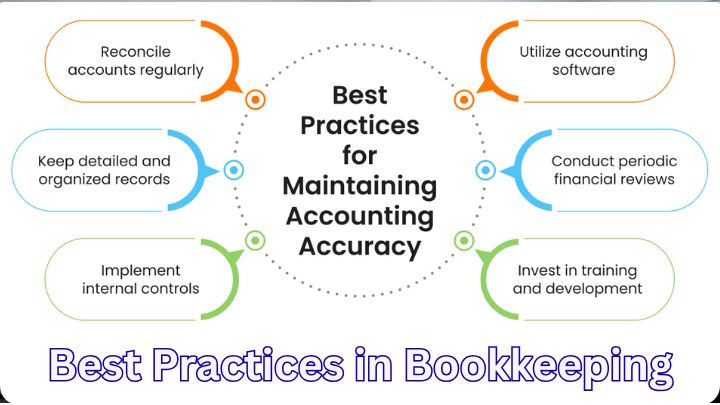
7 Best Practices for Bookkeeping in your Texas Business
7 Best Practices for Bookkeeping in Your Small Texas Business
Running a small business in Texas means wearing many hats. But while you’re busy lassoing new clients and closing sales, it's easy to let your financial records get a little dusty.
Consistent, accurate bookkeeping isn't just about tax time—it’s about having the clarity and control you need to grow your company with confidence.
Here are the seven essential best practices for managing your business finances like a pro in 2026:
1. Separate Personal and Business FinancesImmediately
This is the golden rule of small business accounting. Using one bank account for both personal groceries and business supplies creates a tangled mess that makes bookkeeping, tax filing, and auditing a nightmare.
The Fix:Open a dedicated business checking account and a business credit card. This simple step makes every future step easier and provides a clear audit trail for the IRS.
2. Choose the Right Accounting Method (Cash vs. Accrual)
There are two main methods for recording transactions:
Cash Basis:You record income when youreceivethe money and expenses when youpaythe bill. This is simpler and common for very small service businesses.
Accrual Basis:You record income when youinvoicea client (even if they haven't paid yet) and expenses when youincurthem (even if you haven't paid the vendor yet). This gives a more accurate picture of your long-term profitability.
Choose one and stick with it.
3. Embrace Cloud Accounting Software (Like QuickBooks Online)
Put the manual spreadsheets away. Modern cloud-based software is a non-negotiable best practice for efficiency and accuracy.
Tools like QuickBooks Online, Xero, or FreshBooks automate data entry, connect directly to your business bank account, and generate instant reports. This move to automation is the single best way to reclaim hours in your week.
4. Reconcile Your Accounts Monthly
Bank reconciliation is the process of comparing your internal bookkeeping records to the official bank statements. It ensures every transaction matches up perfectly.
Why it matters:This process acts as an error check, helping you spot forgotten checks, missing deposits, or even fraudulent activity right away, not just at year-end. Schedule this for the same day every month.
5. Categorize Expenses Consistently
"Miscellaneous" is not a business expense category. Proper categorization is crucial for maximizing your tax deductions.
Create a clear chart of accounts (most software does this automatically) and assign every transaction to the correct category (e.g., Office Supplies, Travel, Contract Labor, Marketing). Consistency here makes your tax preparer very happy.
6. Keep Digital Records ofEverything
The IRS requires you to keep records for several years. You don't need a file cabinet full of dusty receipts. The 2025 standard practice is digital record-keeping.
Most accounting software and apps let you snap a picture of a receipt with your phone and attach it directly to the transaction record. This is legally compliant and saves physical space.
7. Schedule Regular Financial Reviews
Bookkeeping isn't just data entry; it's about insight.
Set aside time every quarter to review key reports: yourProfit & Loss (P&L) Statementand yourBalance Sheet. Understanding these documents is how you make smarter business decisions—identifying trends, cutting unnecessary costs, and forecasting future growth.
Ready for Financial Clarity?
Implementing these seven practices will transform your relationship with your business finances.
If you’re a Texas business owner feeling overwhelmed by these steps, remember that you don't have to do it alone.The Texas Bookkeeper is here to take the stress off your plate, ensuring your books are clean, compliant, and ready to help you grow.
To find out how we can help you - Use the CONTACT FORM on the website and we will be in touch.


Facebook
Instagram
LinkedIn
Website
Youtube